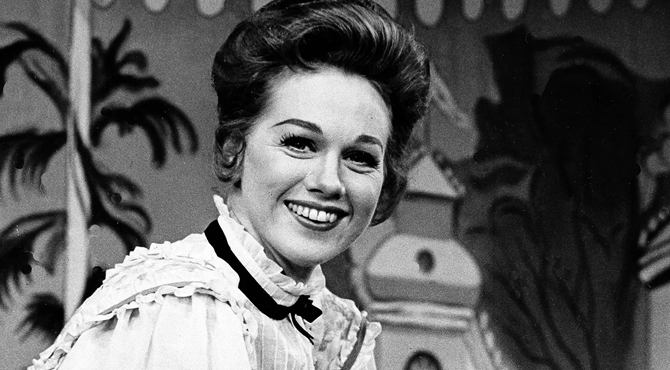
Barbara Cook was one of those rare voices in American musical theatre whose artistry didn’t simply entertain audiences—it stayed with them. Elegant, emotionally honest, and technically superb, she built a legacy that continues to define what it means to interpret a song with depth and sincerity.
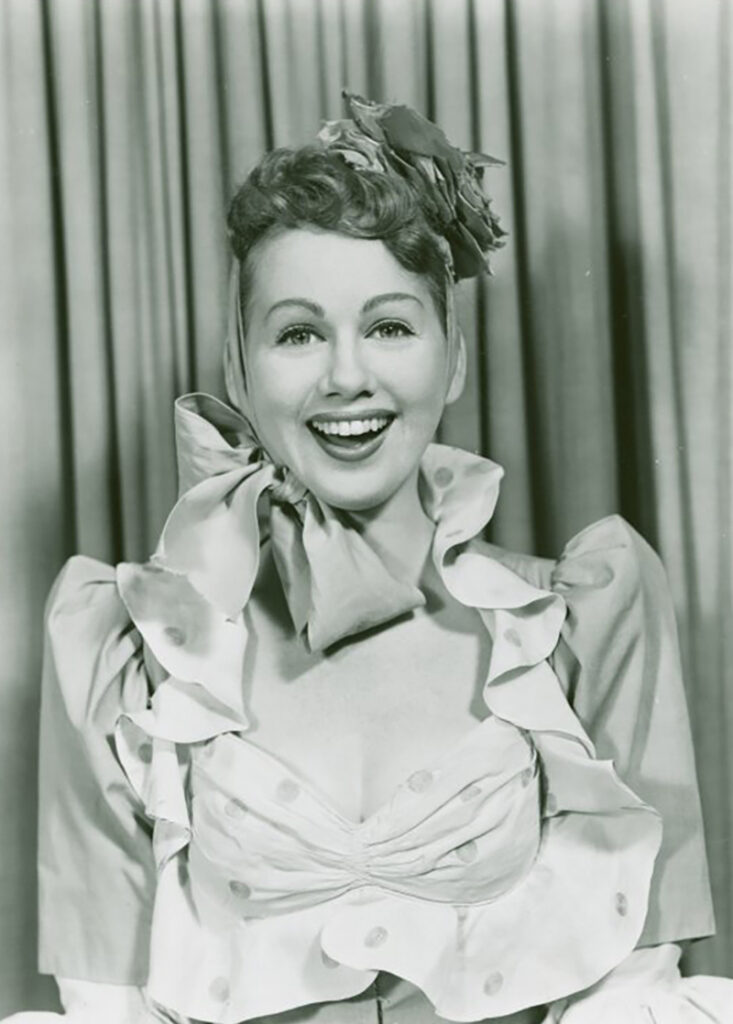
Born on October 25, 1927, in Atlanta, Georgia, Barbara Cook’s early life was shaped by both discipline and determination. Before becoming a Broadway legend, she initially trained as a schoolteacher, but her passion for singing gradually pulled her toward the stage. It didn’t take long for that decision to change her life—and the landscape of musical theatre.
Her breakthrough came in the 1950s during what is often referred to as the “Golden Age of Broadway.” Cook became widely recognized for her luminous soprano voice and her ability to bring warmth and vulnerability to every performance. Unlike many performers who relied on theatrical grandeur alone, she possessed a rare interpretive sensitivity. When Barbara Cook sang, she didn’t just perform a song—she told its truth.
She became a defining presence in productions such as The Music Man (1957), where she originated the role of Marian Paroo. Her performance opposite Robert Preston remains one of Broadway’s most beloved portrayals, especially through songs like “Till There Was You,” which became a signature piece for her career. She also appeared in Candide (1956), further cementing her place as one of Broadway’s brightest voices of the era.
Yet what makes Cook’s story even more remarkable is not just her early success, but her reinvention. In the 1970s, she stepped away from Broadway for a time, facing personal struggles and changes in her vocal range. For many performers, such a shift might have marked the end of a career. For Barbara Cook, it became a transformation.
In the 1980s, she re-emerged—not as a Broadway ingénue, but as a deeply respected concert and cabaret artist. This second chapter of her career is often regarded as even more artistically powerful than the first. Her Carnegie Hall concerts and recordings revealed an artist who had matured into something extraordinary. Her voice, now richer with age and experience, carried emotional weight that resonated deeply with audiences.
Cook became a master interpreter of the American Songbook. She performed works by composers such as Rodgers and Hammerstein, Stephen Sondheim, and Irving Berlin with a level of nuance that few could match. Songs were no longer just melodies for her—they became stories of love, loss, hope, and memory.
Her influence extended far beyond performance. Barbara Cook inspired generations of singers to approach music with honesty rather than mere technical display. Artists learned from her that vulnerability on stage is not weakness—it is power.
Throughout her career, she received numerous accolades, including a Tony Award and multiple honors recognizing her contributions to theatre and music. But perhaps her greatest achievement was the emotional connection she built with audiences over decades.
Barbara Cook passed away on August 8, 2017, at the age of 89. Even in her final years, she remained a symbol of grace, artistry, and resilience. Her recordings continue to be studied and cherished, and her interpretations remain benchmarks for performers worldwide.
Today, Barbara Cook is remembered not only as a Broadway star, but as a storyteller whose voice carried the heart of American musical theatre. Her legacy reminds us that true artistry does not fade with time—it evolves, deepens, and endures.
She once proved that a song is not just sung—it is lived.
