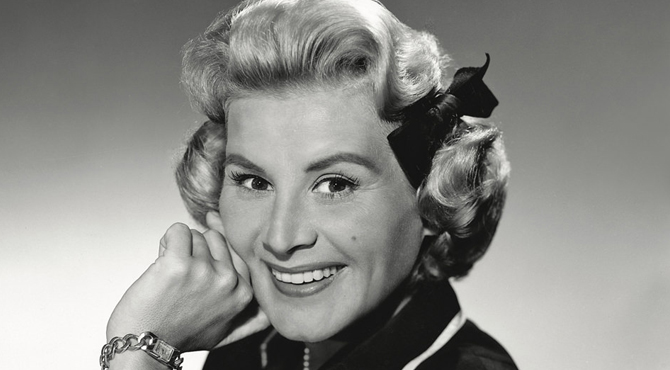
The entertainment world has seen many legends, but few have lived a life as extraordinary, enduring, and influential as Rose Marie. When she passed away on December 28, 2017, at the age of 94, Hollywood lost not just a performer, but a living bridge between the earliest days of American show business and the modern era of television. Her story is not simply one of fame—it is a testament to resilience, reinvention, and a lifelong devotion to performance.
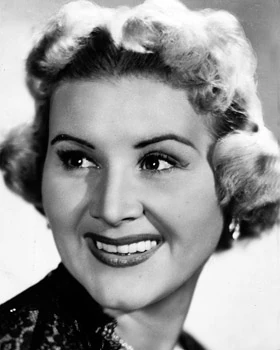
A Child Star Before Television Even Existed
Born on August 15, 1923, in New York City, Rose Marie began her career at a time when entertainment meant radio, vaudeville, and live stage performances. While most children were just beginning school, she was already performing under the name “Baby Rose Marie.” By the age of five, she was singing professionally. By her early teens, she was a seasoned entertainer who had already appeared in films and on radio. Unlike many child stars who fade away, Rose Marie grew with the industry itself.
The Voice That Filled Radio and the Stage
In the 1930s and 1940s, Rose Marie became one of the most recognizable voices in American radio. She performed alongside major entertainers of the era and developed a comedic timing that was sharp, confident, and ahead of its time. Her ability to command attention—whether singing, joking, or delivering a punchline—made her a standout performer in a crowded field of talent.
A Television Icon: The Dick Van Dyke Show
For many audiences, Rose Marie will always be remembered as Sally Rogers, the witty and quick-tempered comedy writer on the classic sitcom The Dick Van Dyke Show (1961–1966). This role cemented her place in television history. At a time when female comedy writers were rarely depicted on screen, Rose Marie brought intelligence, humor, and authority to the character. She was not just a supporting figure—she was one of the comedic engines of the show. Her chemistry with the cast, especially with Carl Reiner and Dick Van Dyke, helped define one of the most beloved sitcoms of all time.
A Career That Spanned Nearly a Century
What makes Rose Marie truly remarkable is not just her early start, but her endurance. She worked across vaudeville, radio, film, television, stage performances, and guest appearances well into her later years. Few entertainers have maintained relevance across so many transformations in the entertainment industry. From black-and-white broadcasts to modern color television, Rose Marie remained a recognizable and respected figure.
Personal Strength Behind the Spotlight
Behind the humor and applause was a woman who experienced profound personal loss and hardship. She lost her husband, trumpeter Bobby Guy, at a young age, becoming a widow while raising her daughter. Despite challenges, she continued working relentlessly. Her dedication was not driven by fame alone, but by a genuine love for performing and connecting with audiences.
Later Recognition and Legacy
In her later years, Rose Marie experienced a renewed wave of appreciation. Documentaries, interviews, and retrospectives celebrated her contributions to entertainment history. She became a symbol of longevity in Hollywood—a reminder that true talent does not fade with time. Her memoir and public appearances revealed a sharp, humorous, and deeply reflective woman who had witnessed nearly a century of cultural change.
Why Rose Marie Still Matters Today
Rose Marie’s legacy is more than nostalgia. She represents the evolution of American entertainment, the early presence of women in comedy writing roles, the endurance of classic television humor, and the importance of versatility in a changing industry. Her influence can still be felt in modern sitcom writing and performance styles. Many female comedians and writers today stand on ground that performers like Rose Marie helped prepare.
Final Thoughts
Rose Marie was not just a performer—she was an institution. Her life stretched across eras, genres, and generations, and she remained true to her craft until the very end. She once said she never really “retired” because performing wasn’t a job to her—it was life itself. And perhaps that is the best way to remember her: not as someone from the past, but as someone whose laughter still echoes through the history of entertainment.
