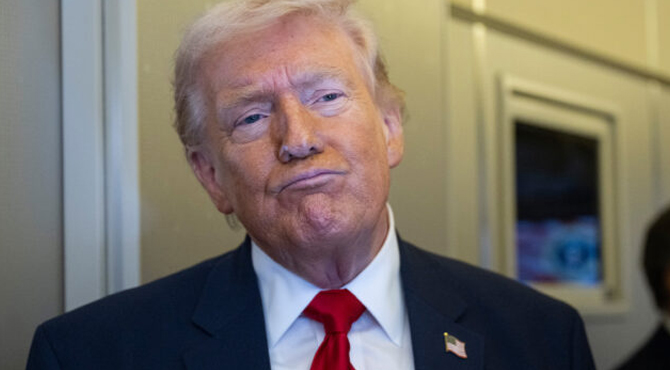
Donald Trump has once again sparked a storm of reactions involving Canada — and this time, one of North America’s Great Lakes is at the center of the controversy.
The president announced that he had officially filed the paperwork needed to rename Lake Ontario “Lake America,” declaring that the change would take effect immediately.
Standing alongside Interior Secretary Doug Burgum and White House Deputy Chief of Staff for Policy Stephen Miller, Trump held up an executive order and made his intentions clear.
“This is officially effective immediately,” Trump said.
He later explained that the necessary steps had already been taken to move forward with the controversial name change.
“We filed all the necessary papers, documents, and notified all the various people we have to notify,” he said.
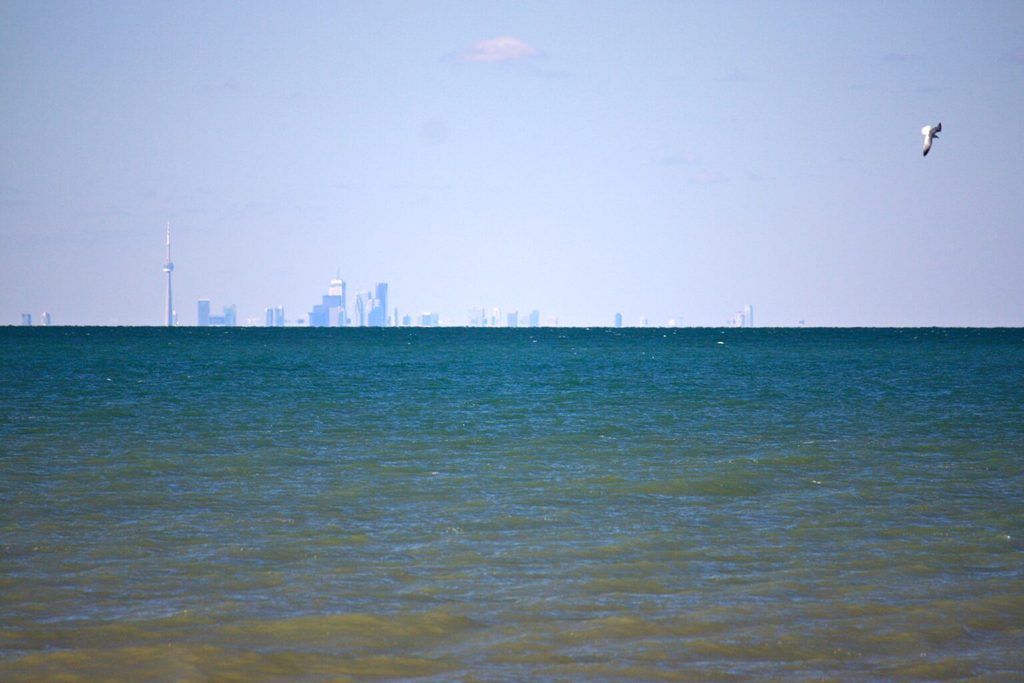
Lake Ontario is one of the five Great Lakes and sits directly along the U.S.-Canada border. The lake shares its name with the Canadian province of Ontario, while New York borders its southern shoreline. Toronto, Canada’s largest city, is located on the lake’s northwestern shore.
The announcement comes as relations between the United States and Canada have become increasingly strained over trade.
Trump had previously threatened to rename the lake as tensions with Canada intensified. The latest announcement comes after trade talks between the two countries broke down, with Trump subsequently threatening a 50% tariff on Canadian automotive and steel imports beginning January 1, 2027.
Ontario Premier Doug Ford has responded forcefully to Trump’s tariff threats, warning that Canada could retaliate by targeting resources and supplies relied upon by American households and businesses.
Ford also delivered a blunt message to the president, telling Trump to “kiss [his] a–” and warning him to “have a pack of batteries” ready if he continued targeting Canada’s auto industry.
Trump has already made headlines over another major geographic name change.
In January 2025, he ordered that the Gulf of Mexico be renamed the “Gulf of America.” Google Maps subsequently adopted the new name for users in the United States.
Now, Trump appears to be taking the same approach with Lake Ontario.
Speaking about the decision, Trump said:
“I guess the purpose of this, more than anything else, is we’re going to be changing the name of Lake Ontario, effective immediately to Lake America. That’s going to take place right now as I sign the order.
“We defend Canada for nothing, we don’t get anything. We love the people of Canada, but their representatives aren’t doing an appropriate job.”
The move has already triggered plenty of reaction online, with critics mocking the president’s latest naming decision.
Prime Minister Mark Carney pushed back against Trump’s executive order, emphasizing the lake’s long history and Indigenous roots.
Carney pointed out that the name Ontario dates back more than four centuries and comes from the Indigenous Wendat language, referring to the lake as beautiful and large.
“The name is more than 400 years old, predating both the Confederation of Canada and the Declaration of Independence of the United States of America,” Carney wrote on X.
He also appeared to take a broader swipe at the changes taking place under Trump’s administration, pointing to shifts in American trade policy, foreign relations and even the names given to geographic landmarks.
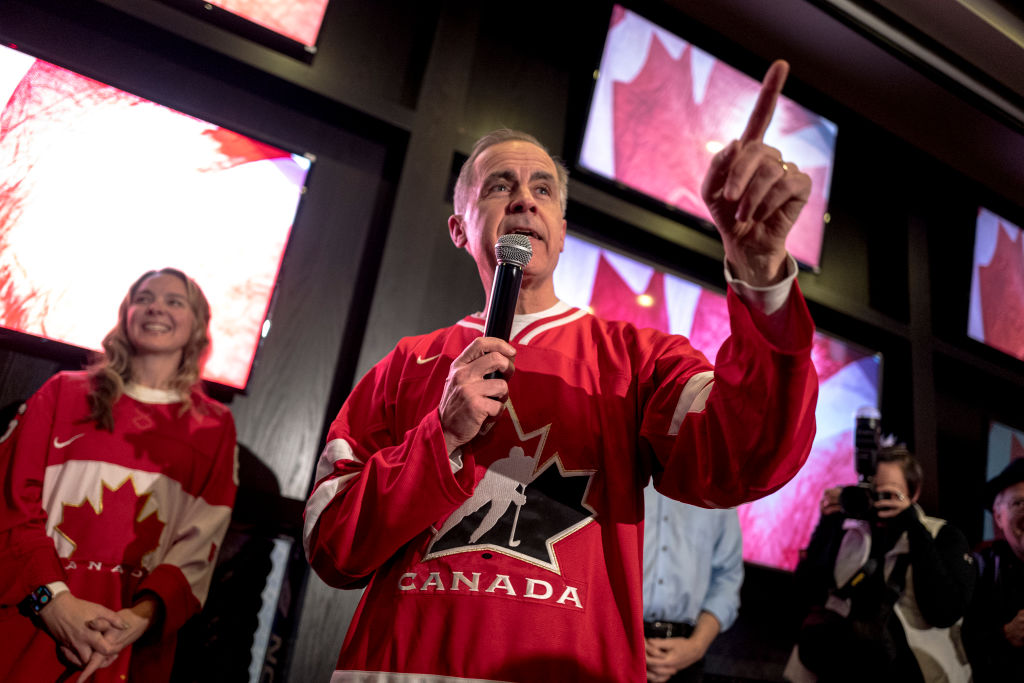
“We know that America is changing. Their trading relationships, their foreign policies, their national monuments, their hydronyms,” Carney wrote.
But when it comes to the massive lake shared by Canada and the United States, Carney said Canadians will continue using the name they have known for generations.
“Canadians also know that naming reality means calling it Lake Ontario — then, now and always,” Carney said.
