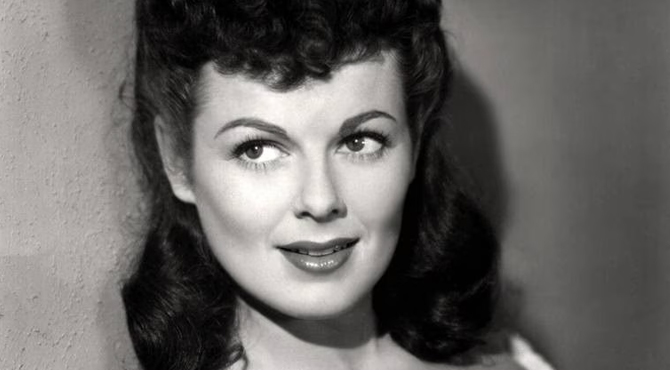
Some stars do not fade with time—they simply shift from the screen into memory, where their presence feels just as vivid. Barbara Hale was one such star. Known for her elegance, calm strength, and unmistakable screen presence, she was part of Hollywood’s Golden Age, yet carried her artistry with a humility that made her even more enduring. Her passing on January 26, 2017, at the age of 94, marked the end of a remarkable chapter in classic American television and film history. But her work continues to live on, especially through her most iconic role that defined generations of television viewers.
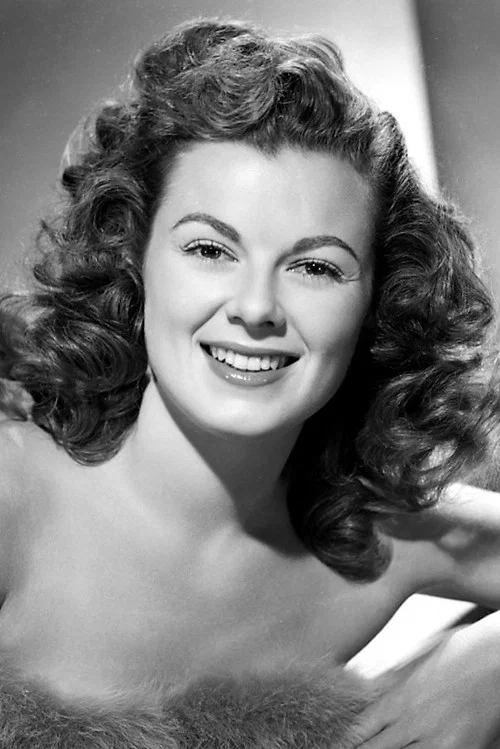
Early Life: From Small-Town Roots to Hollywood Dreams
Barbara Hale was born on April 18, 1922, in DeKalb, Illinois, USA. Raised in a modest Midwestern environment, she developed a strong sense of discipline and grounded character early in life. Her family later moved to Rockford, Illinois, where she completed her education. Her artistic journey began not with fame, but with ambition and opportunity. She studied art at the Chicago Academy of Fine Arts, initially considering a career in illustration. However, fate had a different path waiting for her. Beauty contests and modeling work soon opened doors, and by the early 1940s, Hollywood came calling.
The Beginning of a Hollywood Career
Barbara Hale signed with RKO Pictures, one of the major studios of the era. She started with supporting roles and gradually built her reputation through charm, versatility, and professionalism. Her early film appearances included Higher and Higher (1943), Gildersleeve’s Bad Day (1943), and Lady Luck (1946). She quickly became known for playing intelligent, warm, and emotionally grounded characters, which reflected her natural screen personality.
Rising Fame: A Familiar Face in Classic Cinema
During the 1940s and 1950s, Barbara Hale became a recognizable face in Hollywood films. She worked across comedy, drama, and romance, showing remarkable range and consistency. Her notable films include The Window (1949), The Jackpot (1950), A Lion Is in the Streets (1953), and The West Point Story (1950). Her performances were never overly theatrical; instead, she brought a quiet authenticity that made her characters believable and relatable.
The Role That Defined a Generation: Della Street
While Barbara Hale had a successful film career, her most enduring legacy came from television. She portrayed Della Street, the loyal and intelligent secretary to defense attorney Perry Mason, in the legendary legal drama Perry Mason (1957–1966). Her chemistry with Raymond Burr, who played Perry Mason, became one of the most beloved partnerships in television history. Della Street was not just a supporting character—she was a symbol of professionalism, intelligence, and quiet strength. Barbara Hale appeared in 271 episodes of Perry Mason and later reprised her role in multiple television reunion films, keeping the character alive for new generations.
Later Career and Return to Television
Even after the original series ended, Barbara Hale remained closely tied to the role that made her a household name. She returned in several Perry Mason television movies during the 1980s and 1990s, continuing to portray Della Street alongside Raymond Burr. Her later career reflected dignity and restraint, choosing roles that honored her legacy rather than chasing new fame.
Personal Life: Strength Behind the Screen
Barbara Hale married actor Bill Williams, and together they had three children, including actor William Katt. Her family life remained a central part of her identity. She maintained a long and stable marriage and balanced her Hollywood career with a grounded personal life, which was rare in the entertainment industry of her time.
Awards and Recognition
Barbara Hale received significant recognition for her work, including a Primetime Emmy Award in 1959 for Perry Mason. She also earned a star on the Hollywood Walk of Fame and received multiple honors recognizing her lifetime contribution to television and film. These awards reflected her consistency, professionalism, and lasting influence on the industry.
Legacy: Why Barbara Hale Still Matters
Barbara Hale’s legacy is defined not by controversy or spectacle but by grace, consistency, and quiet excellence. She represented the golden age of Hollywood storytelling and helped shape the image of strong, intelligent women on television. Her portrayal of Della Street remains one of the most iconic supporting roles in television history and continues to influence legal dramas today.
Final Tribute: A Life Well Lived on Screen and Beyond
Barbara Hale’s journey from a small-town girl in Illinois to a Hollywood icon is a reminder that greatness often grows quietly over time. She leaves behind a body of work that continues to inspire and entertain, preserving her presence in every performance she gave. Though she is no longer with us, her legacy remains timeless, and her contributions to film and television will never be forgotten.
