Nearly half of grandparents provide free childcare for over 12 hours per week, according to a study. Many working parents rely on their parents to help with childcare while they are at work. One of our readers reached out because she felt her daughter-in-law was taking advantage of her by asking to babysit without any payment. Unsure of what to do, she wrote us seeking advice.
Hello,
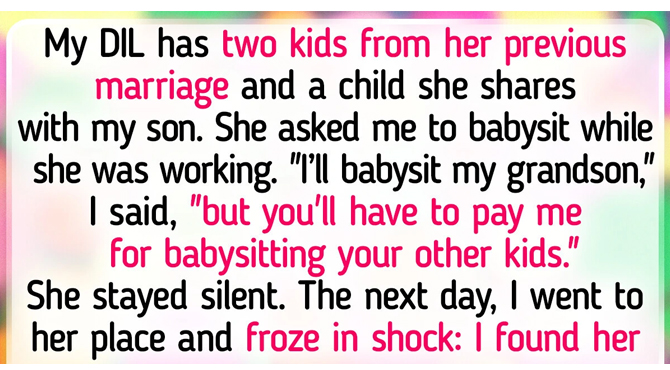
My DIL has two kids from her previous marriage and a child she shares with my son. She asked me to babysit while she was working. “I’ll babysit my grandson,” I said, “but you’ll have to pay me for babysitting your other kids.” She stayed silent.
The next day, I went to her place and froze in shock: I found her door locked, and the locks had been changed. I tried my keys, but they wouldn’t work. I knocked repeatedly, but no one opened the door. When I called my DIL, she answered curtly, saying, “You’re no longer welcome in my house. You treat my kids differently.””
I was stunned. I tried to explain to her that it wasn’t about favoritism-I love her kids too-but babysitting three children is overwhelming for me, especially since I’m retired. I told her I was happy to watch my grandson because he’s family, but I couldn’t handle the responsibility of all three without some compensation.
Now there’s tension in the family. My son is caught in the middle, trying to appease both his wife and me. I don’t know how to navigate this situation. I feel hurt that my DIL thinks I’m unfair and guilty for causing stress in their home. But at the same time, I feel my boundaries should be respected.
How do I address this without creating a bigger rift? Your advice would mean so much to me.
Sincerely, Helen
Thank you, Helen, for sharing your story with us. We understand that maintaining a good relationship with your daughter-in-law while standing up for yourself can be challenging. We also recognize that your words about your grandson and her other children may have been misunderstood. We hope our advice helps you find a way forward.
Communicate openly with your son and DIL.
Open communication is key to resolving misunderstandings in any family dynamic. Arrange a calm and private setting to discuss the situation with both your son and DIL. Start by expressing your love and care for the family, emphasizing that you never intended to create tension.
Clearly explain your reasoning—whether it’s your physical limitations, energy levels, or other challenges—so they understand your perspective. Encourage them to share their feelings as well, and actively listen without interrupting.
Show that you care for all the kids.
Actions can speak louder than words, especially when it comes to showing affection. Even if you’re unable to babysit all the children regularly, you can still demonstrate your care for your DIL’s kids in meaningful ways. Bring them small treats, read them a story, or spend a few moments engaging with their interests when you visit. These gestures don’t require much time or energy but can make the children feel valued and included.
Seek compromise.
Finding middle ground can help ease the tension and show your willingness to cooperate. If babysitting all three kids is too much for you, suggest an alternative arrangement, such as watching them for shorter periods or having someone assist you. You could also offer to babysit occasionally instead of regularly. Recognize your DIL’s struggles as a working mom and suggest a plan that helps her while honoring your own limits.
Apologize if necessary.
Sometimes, even well-intentioned words or actions can hurt others. If your DIL felt excluded or slighted by your comments, a heartfelt apology can go a long way in mending the relationship. Explain that your words weren’t meant to offend but rather to express your genuine concerns. Let her know that you understand why she might have felt hurt and that you value her feelings.
Focus on rebuilding the relationship.
Healing a strained relationship takes time and effort, but small acts of kindness can make a big difference. Look for opportunities to show your DIL that you value her as a person and as a mother. Compliment her parenting, offer to help in ways that are manageable for you, or bring a small gift when you visit. Even a kind word or a thoughtful gesture can soften tensions over time.

 Editor1