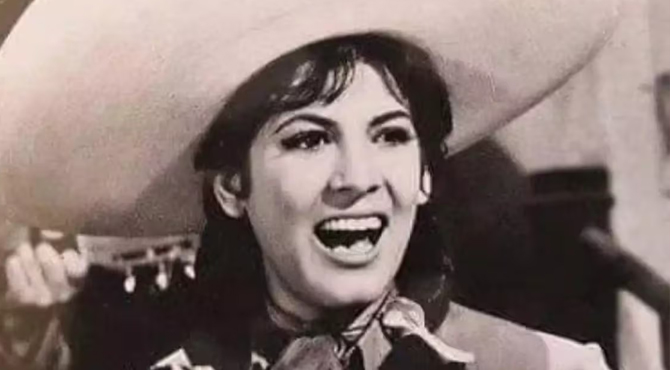
Mexican entertainment has lost one of its most iconic voices. Lucha Moreno, the celebrated ranchera singer and actress, has passed away at the age of 86.
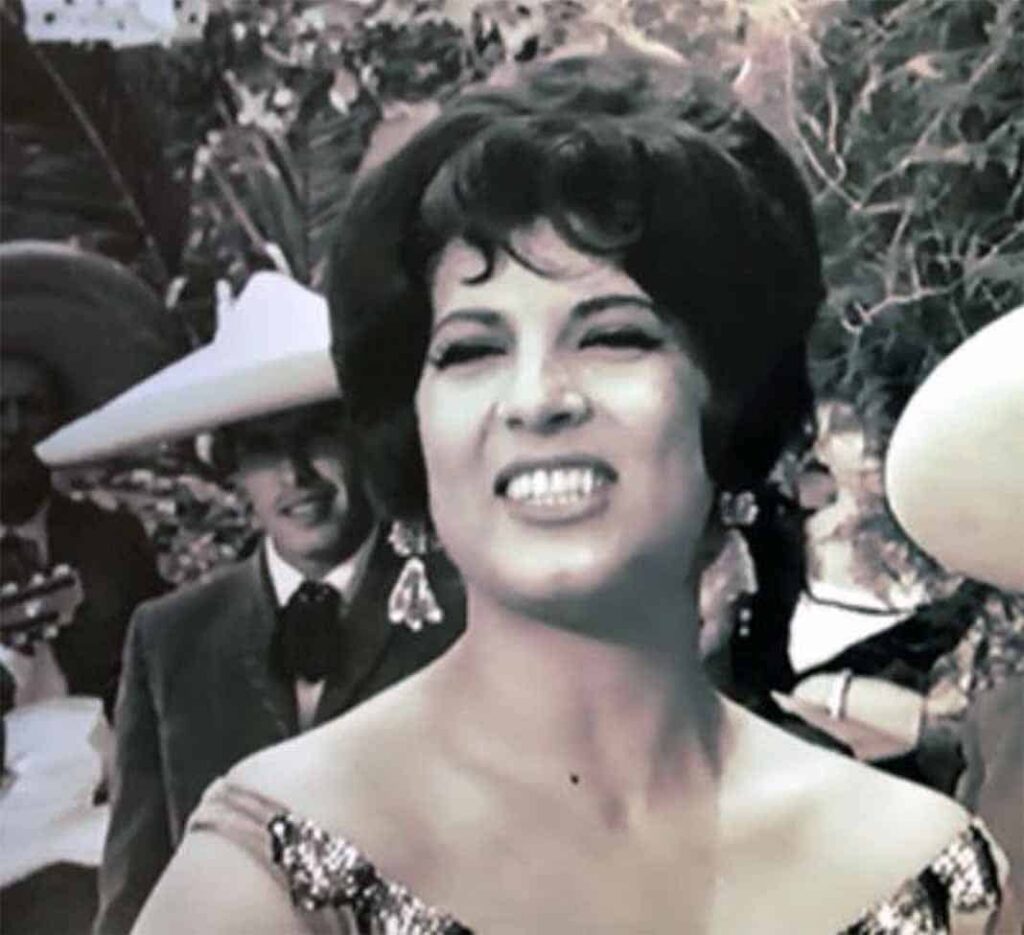
Her death was confirmed by her daughter, Mimí — whose real name is Irma Hernández — in an emotional message shared on social media. She described her mother as a strong, loving woman who passed away peacefully, surrounded by family.
According to family representatives, Lucha Moreno died of natural causes in Mexico City, with her children, grandchildren, and great-granddaughter by her side.
Born as Irma Gloria Ochoa Salinas on April 23, 1939, in Guadalupe, Moreno built a remarkable career rooted in traditional Mexican culture. She became known for her emotional singing style and powerful stage presence, earning her a place among the defining figures of ranchera music and the later years of Mexico’s cinematic Golden Age.
In the 1960s, she formed a successful musical and personal partnership with her husband, José Juan. Together, they became one of the most recognized duos in Mexican vernacular music, recording around 20 albums with major labels like Orfeón Records and RCA Victor. Some of their most popular songs included “Tú y Yo,” “Deja Deja,” and “La Margarita,” which helped cement Moreno’s legacy as a leading voice in traditional music.
Moreno also made her mark in film and television. She debuted in the 1957 movie Asesinos, S.A., where she performed the song “La Noche de Mi Mal.” On television, she appeared in well-known telenovelas such as Quinceañera, Amor en Silencio, Amor de Nadie, Acapulco, Cuerpo y Alma, and Te Sigo Amando.
Beyond her professional achievements, she was devoted to her family. In addition to Mimí, she had two other children: Ileana, who passed away a few years ago, and José Juan Hernández Ochoa, who later pursued music before moving into business. Her husband, José Juan, died in January 2025 at the age of 89, after nearly 60 years of marriage.
Lucha Moreno leaves behind a lasting legacy in Mexican music and entertainment, remembered for her voice, her presence, and her deep connection to tradition.
