
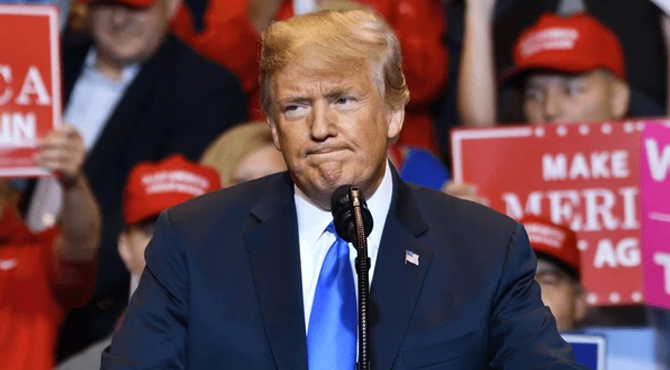
A U.S. military strike on Iran has sparked strong international reactions and political backlash against former U.S. President Donald Trump, raising fears of a broader conflict in the Middle East.
According to officials, the strikes targeted Iranian military and strategic facilities and were described as a necessary move to counter threats from Iran and limit its military capabilities. The operation quickly heightened tensions, with Tehran warning of retaliation and vowing to defend its sovereignty.
The attack has raised concerns across the region, particularly among countries in the Persian Gulf worried about escalation and possible disruptions to energy supplies and shipping routes. Analysts warn that if tensions continue to rise, the situation could threaten stability across the broader Middle East.
Inside the United States, the strike has sparked intense political debate. Critics argue the operation could draw Washington into another prolonged regional conflict, while supporters say strong action was necessary to counter Iran’s growing influence.
Several lawmakers and political commentators have questioned whether the operation could lead to a wider war and have called for greater clarity about Washington’s long-term strategy. Some figures within Trump’s own political base have also expressed concern, pointing to his earlier “America First” platform, which emphasized avoiding new foreign wars.
Public reaction across the United States has been divided. Protests have been reported in several cities, with demonstrators warning that further escalation could lead to serious economic and human costs.
Internationally, governments and diplomatic observers are urging restraint. Analysts warn that continued confrontation between Washington and Tehran could disrupt global energy markets and increase tensions around key strategic waterways, particularly the Strait of Hormuz.
Supporters of the operation, however, argue that strong military pressure is necessary to deter Iranian actions and protect U.S. interests and allies in the region.
With both sides exchanging warnings and tensions rising, the coming days may determine whether the crisis escalates further or shifts toward renewed diplomatic efforts.